
Leather wallets are materials whose texture, color, and luster change with use.
Leather that was initially firm gradually softens and eventually conforms to your hand. The color deepens, the luster increases, and the traces of daily contact accumulate as character.
Many people probably enjoy using leather products while observing these changes, known as aging, in the leather.
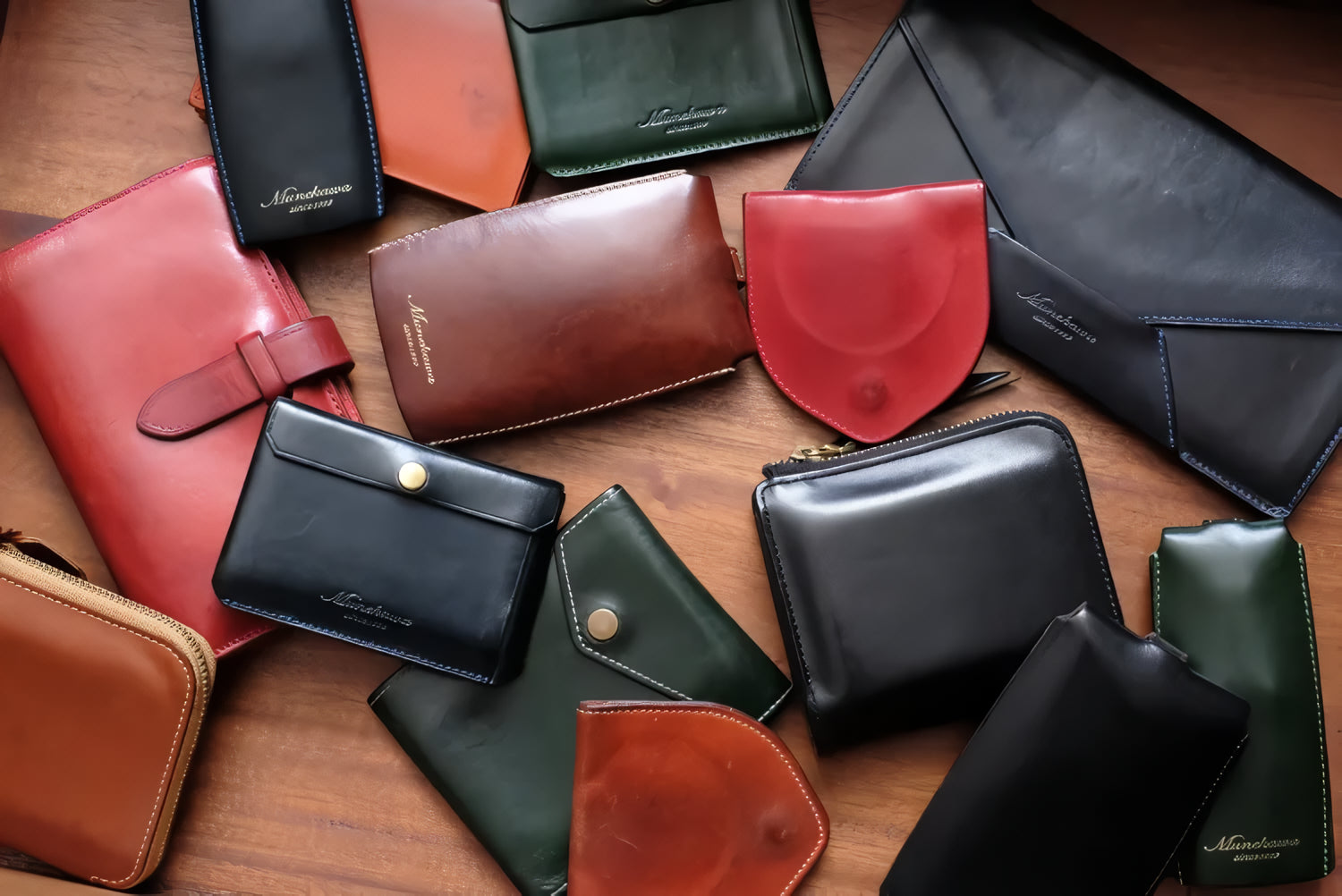
However, there may be times when it's hard to tell if it's a "sign of use" or "serious damage."
While it's good to keep using something you like, depending on its condition, it might be better to repair it immediately or consider replacing it.
This time, we will explore the difference between "aging" and "deterioration" in leather wallets. Please read on as an opportunity to consider how to care for your leather wallet.
Understanding the Difference Between "Change" and "Deterioration"
Aging and deterioration. Although the words are similar, their meanings are very different.

Leather products that have been carefully used develop a deeper color and luster.
Fine scratches and stains may appear with use, but these can also be enjoyed as character.
Such changes are part of the process of the leather becoming imbued with the owner's lifestyle, and can be said to be one of the joys of owning leather products.
As long as there are no problems with opening, closing, or storage, and you can enjoy the visual changes as "character." This is what "aging" of leather refers to.
Symptoms That Suggest It's Time to Consider Replacement
On the other hand, there are also conditions that cannot be called aging, such as those where operations or use are impaired, or where parts supporting the structure are damaged.
When you see the following conditions, it might be time to consider replacing your wallet:
- The entire wallet is significantly out of shape or deformed.
- The leather is torn or ripped off.
- The corners are frayed, or cracks have appeared in the leather.
- The leather shows blisters, severe discoloration, or fading.
Depending on the extent, such conditions are likely considered damage, i.e., "deterioration," rather than leather aging.

While repairs are possible even in such conditions, major part replacements can be costly, and sometimes it might be more affordable to simply buy a new wallet.
Prompt Action for These Conditions
The sooner you address problems, the easier it is to keep repair costs down.
The following conditions, in particular, can lead to serious damage if left unaddressed, but early intervention can improve the situation.
If you notice any irregularities, re-evaluate how you use your wallet or consider repairs promptly.
1. Frayed stitching
Frayed stitching is a symptom that should not be taken lightly, even if it appears minor.

The simpler the structure of a leather wallet, the more each stitch plays a role. If you continue to use it with frayed stitching, not only that part but also other areas can suffer damage, such as deformation or tearing.
When you notice frayed stitching, instead of thinking "it's only a little, it's fine," please consult us as soon as you notice it.
2. Stuck zipper
If your zipper suddenly becomes stiff or gets stuck partway, you need to check it early. Forcing it can put a strain not only on the slider but also on the surrounding leather.

Minor cases can sometimes be resolved with adjustments, and in some situations, replacement can restore functionality. Since this is a part you touch every day, it's crucial not to ignore any irregularities.
3. Loss of shape
Leather wallets gradually conform with use, but conditions like noticeable bulging, a mouth that opens easily, or a shape that has collapsed and is difficult to restore, require attention.

Continually overstuffing with cards and coins puts a strain not only on the leather but also on the stitching and metal fittings. If the deformation is minor, reviewing your usage can improve it, or sometimes it can be fixed with a partial component replacement. If this sounds familiar, please check it out.
When in doubt, the important thing is not to immediately discard it or force yourself to continue using it. It's to first assess its condition. Repairing what can be repaired and using it for a long time. The ability to make that choice is one of the advantages of a leather wallet.
Please consult us if you are unsure.
The lifespan of a leather wallet is not determined solely by how many years it has been used. Its condition can vary greatly depending on daily use, storage capacity, and frequency of opening and closing.
At Munekawa, we offer flexible repair services tailored to the condition, such as frayed stitching and zipper replacements. Because we manufacture all our products in-house, we can guide you on what can be repaired and when it might be better to consider a replacement.
If you notice even the slightest symptom, please consult us before the damage worsens. An early decision can ultimately lead to using your wallet for a longer time.
▶︎Click here for more details on Munekawa's repairs
▶︎Click here for more details on Munekawa's directly managed store in Daikokucho, Osaka


